










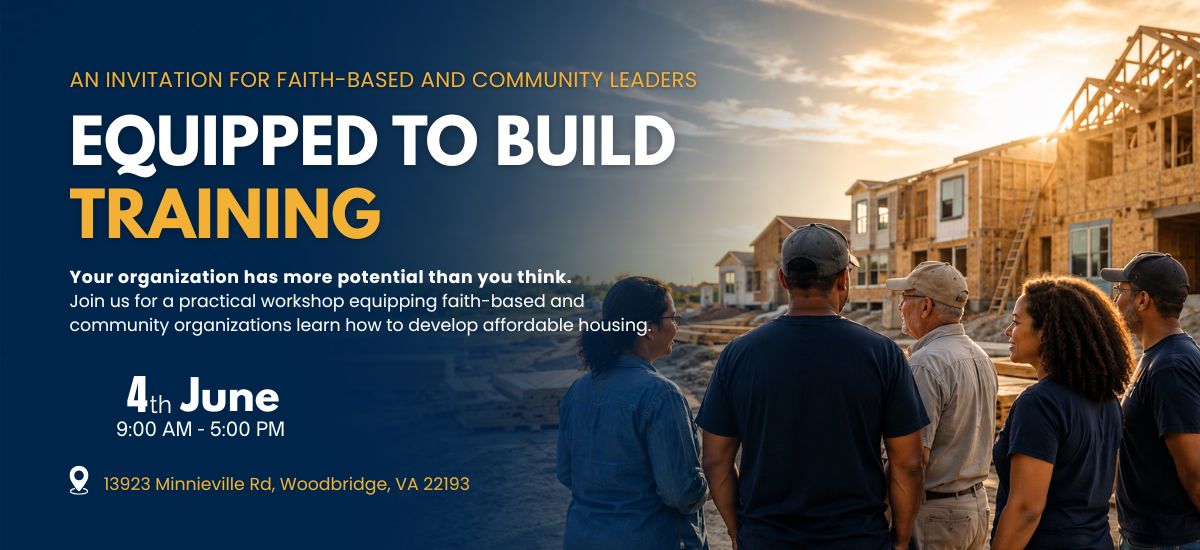
EQUIPPED TO BUILD




Training Overview
Centro de Apoyo Familiar (CAF) presents Equipped to Build Training. This training brings together faith-based leaders, nonprofit organizations, and community stakeholders from across Virginia to explore how congregations and grassroots organizations can play a meaningful role in addressing the affordable housing crisis. Through guided discussions, real-world case studies, and interactive sessions, you will gain a practical introduction to the early stages of housing development, community partnerships, and organizational readiness. The conference creates space for you to learn directly from housing professionals, faith-based institutions, developers, and community organizations already engaged in this work while building connections with others interested in creating community-centered housing solutions.
You will engage in conversations around land use, zoning, acquisition readiness, internal capacity, and partnership development while exploring how affordable housing projects take shape from vision to implementation. By the end of the day, you will leave with a stronger understanding of Virginia’s housing landscape, clearer pathways for engagement, and renewed inspiration around what is possible within your own communities.
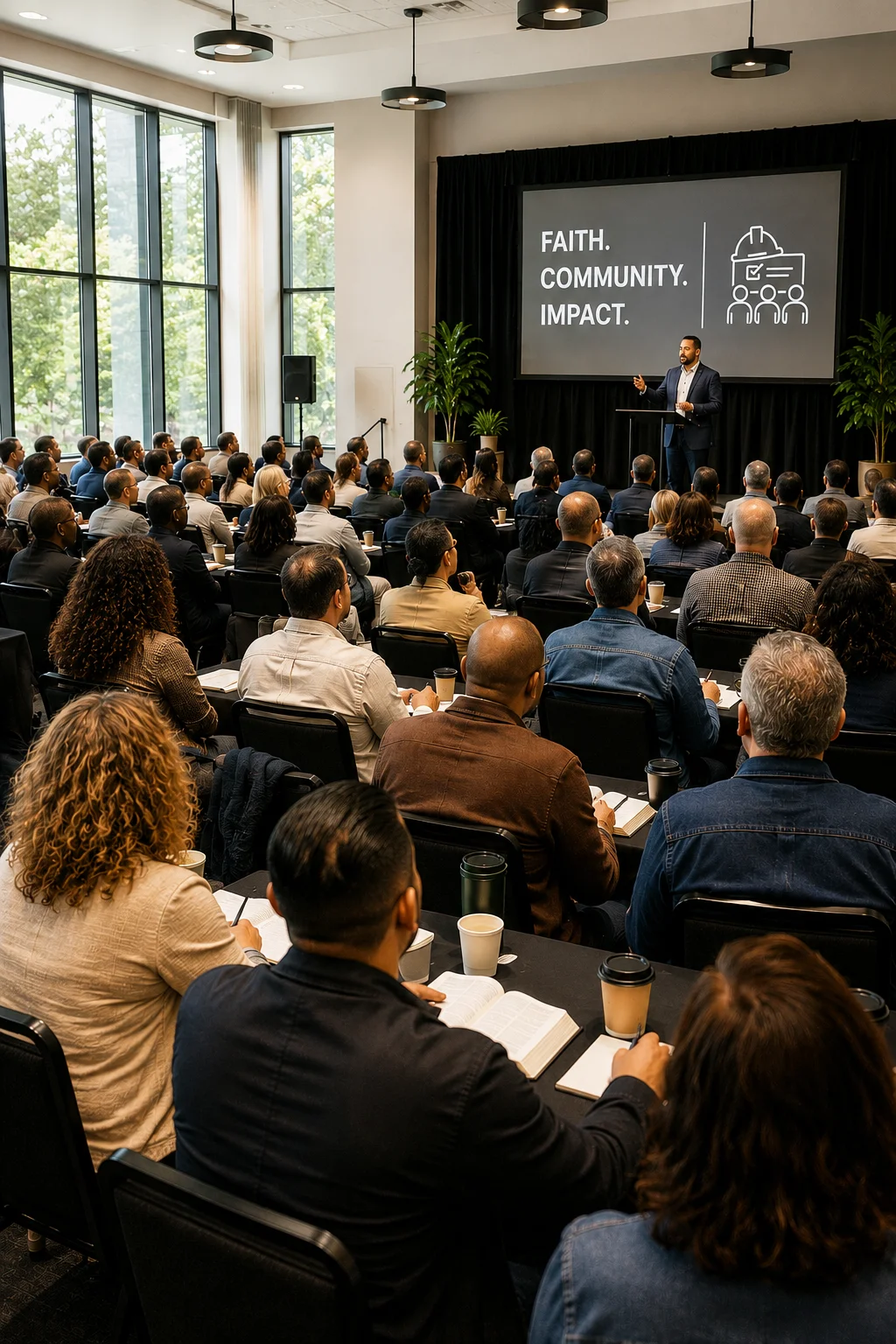
This Conference Will Serve As A Platform To:
Seeing the Possibilities in Your Community
Explore how faith-based institutions, nonprofits, and local leaders across Virginia are stepping into housing work and reimagining how community spaces and land can create stability for families.
Turning Land Into Opportunity
Learn how faith-based institutions begin evaluating property, navigating local planning systems, and understanding what makes a housing project possible from the very start.
Preparing Your Team for the Journey
Discover what it really takes behind the scenes to move an idea forward, from building the right team to understanding the partnerships, leadership, and support needed along the way.
Building Relationships That Make Projects Happen
Hear how collaborations with developers, local governments, lenders, and housing organizations can open doors, strengthen projects, and turn vision into action.
Meet our Speakers
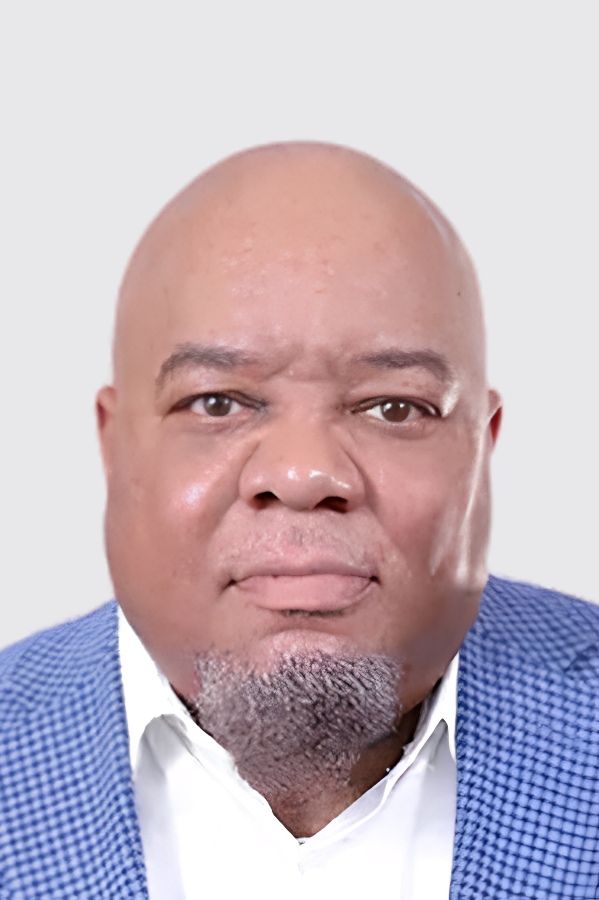
Joseph K. Williams
Associate Director | Mid Atlantic Region
Enterprise Community Partners, Inc.

Seth Opoku Yeboah
Development Manager
Wellington Development Partners
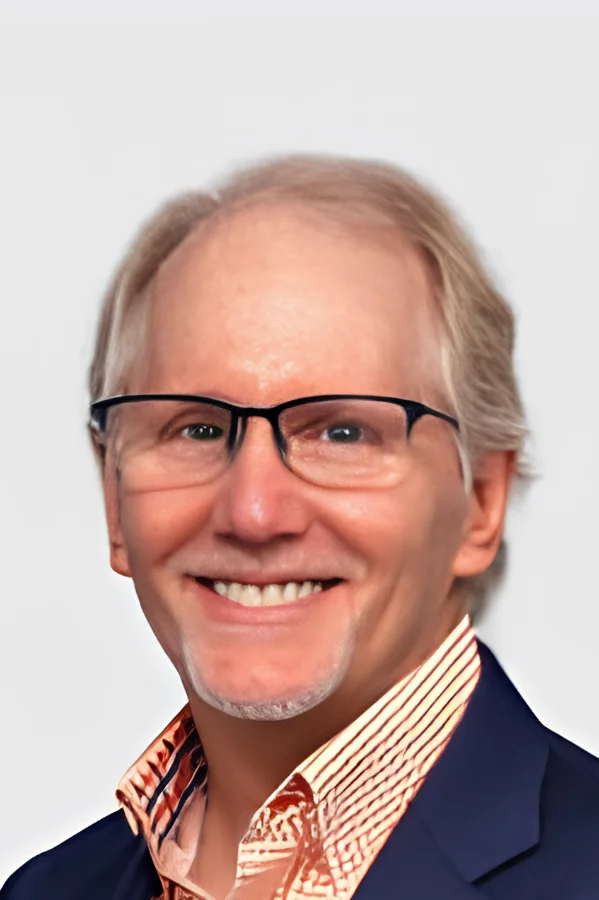
Rob Seidel
EVP and Managing Director
SVN Providence Realty Advisors
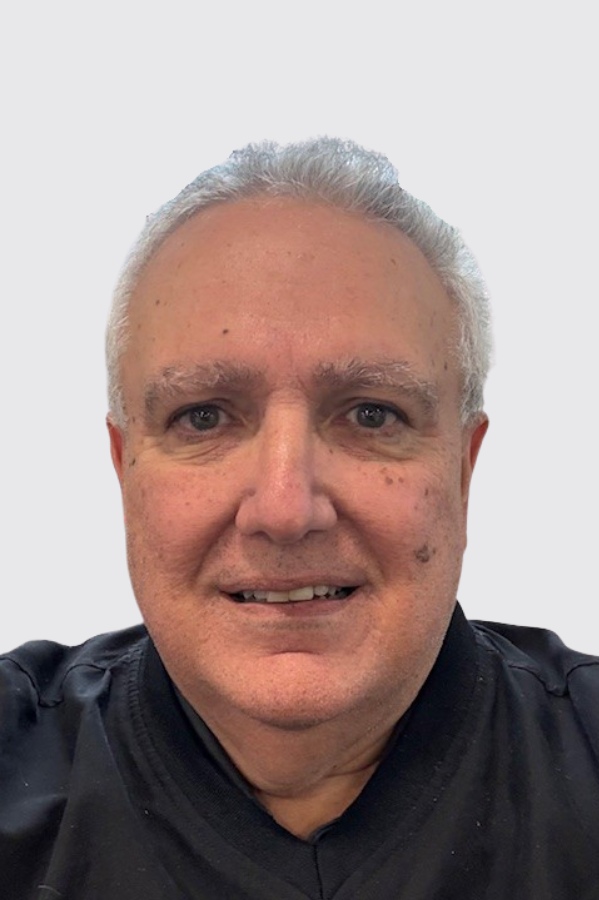
Frank M. Curbeira
Strategic Housing Officer
Virginia Housing
Conference Schedule
Session 1: Housing as Community Stabilization
This session opens by grounding everyone in what’s happening across Virginia’s housing landscape, what families are facing, why affordability is becoming harder to reach, and how the gap between income and housing costs continues to widen. This conversation connects the issue to real communities, showing how the housing crisis shows up in everyday life and why it’s become such a pressing challenge for cities, towns, and rural areas alike.
From there, we look at who is already in the space and why nonprofits and faith-based institutions matter more than ever in this moment. Many of these groups are already trusted anchors in their communities, holding relationships, land, buildings, and credibility that often go untapped in traditional housing systems. We’ll explore how those existing strengths position them not just as supporters, but as active contributors in shaping housing solutions that are rooted in community needs.
The second half of the session shifts from understanding the crisis to seeing opportunity. We’ll look at what’s already working at the grassroots level, small but powerful examples of faith-based institutions, nonprofits, and local leaders stepping into housing conversations in creative ways. This includes rethinking underused land, building partnerships across sectors, and aligning mission with practical action. The goal is to help participants begin seeing housing not as something distant or out of reach, but as something that can be shaped locally, collaboratively, and intentionally within the communities they already serve.
Session 2: Real-World Case Studies
This session brings the conversation out of theory and into real experience. Leaders from Virginia faith-based institutions and nonprofits share their housing journeys, how their ideas began, what pushed them forward, and what it took to turn their visions into action in their communities.
As each story unfolds, we’ll hear what helped move projects forward, key partnerships, funding strategies, community support, and moments where things unexpectedly came together. Just as importantly, we’ll also hear where challenges showed up: delays, zoning hurdles, funding gaps, internal capacity limits, and the tough decisions that had to be made along the way.
The discussion then opens up into a shared reflection space, where participants can connect those lessons back to their own context. The goal is to make the process feel less abstract and more tangible, so participants leave not just inspired by what others have done, but better able to see what might be possible in their own communities, and what it realistically takes to get there.
Session 3: Internal Capacity and Operational Readiness
This session looks behind the scenes of what it takes to move a housing project forward, not just the idea, but the people and structure that make it possible. Before anything is built, there must be a foundation in place within the organization: clarity of roles, leadership alignment, and a shared understanding of what the journey will require.
We’ll walk through the key players that typically sit around the table in a successful project: attorneys, board members, development partners, financing support, and others who each play a specific role as things progress. The focus here is on understanding which support systems need to be activated and when they become important in the process.
We’ll also take a closer look at what readiness means inside a faith-based institution. That includes both internal capacity, how prepared the leadership, staff, and governance structure are to take on a project, and external readiness, such as partnerships, technical support, and community alignment. A big part of this conversation is also the mental shift: moving from “this is a big idea” to “this is something we can actually organize around and build toward.”
Session 4: Pre-Acquisition Readiness: Key Considerations for Property Selection
This session focuses on the moment before anything is purchased, the point where ideas meet real land, real parcels, and real decisions. We’ll look at how organizations begin evaluating whether a property is a good fit for housing development and what needs to be understood before moving forward.
Participants will walk through the practical side of property review: size, location, access, and physical conditions that can shape what’s possible on a site. From there, we’ll zoom in on the systems beneath the land: zoning rules, planning requirements, environmental considerations, easements, and other local factors that often determine whether a project can move forward or stall early.
The session also introduces how organizations begin their homework in a structured way, using tools such as local planning departments, comprehensive or master plans, and GIS systems, to better understand how a site fits within the broader community vision. We’ll talk about when and how to engage professionals like attorneys, surveyors, engineers, and architects, and why early due diligence matters more than most people realize.
At its core, this session is about helping participants slow down just enough to make strong decisions upfront, so when the right opportunity shows up, they’re ready to recognize it, assess it clearly, and move with confidence instead of uncertainty.
Session 5: Partnership Ecosystems in Virginia
This session looks at the broader ecosystem that enables housing development across Virginia and introduces the key players who shape how projects move from concept to reality. We’ll look at how local governments, housing agencies, developers, and philanthropic funders each play a role, and how successful housing efforts are rarely done in isolation, but through coordinated partnerships over time.
A key focus will be understanding how to navigate and work with systems such as local planning commissions and state-level housing resources, including the roles of Virginia Housing and the Virginia Department of Housing and Community Development (DHCD). We’ll break down what these entities do, how they influence funding and approvals, and how organizations can begin to engage them in a meaningful and strategic way.
The session also highlights how relationships drive progress, how coalitions form, how trust is built between sectors, and how funders, lenders, and mission-driven organizations come together around shared goals. Participants will leave with a clearer picture of how the housing ecosystem fits together in Virginia, and where their organization can plug in to move projects forward.